What we mean when we say rustic
Not distressed for effect. Left honest on purpose.
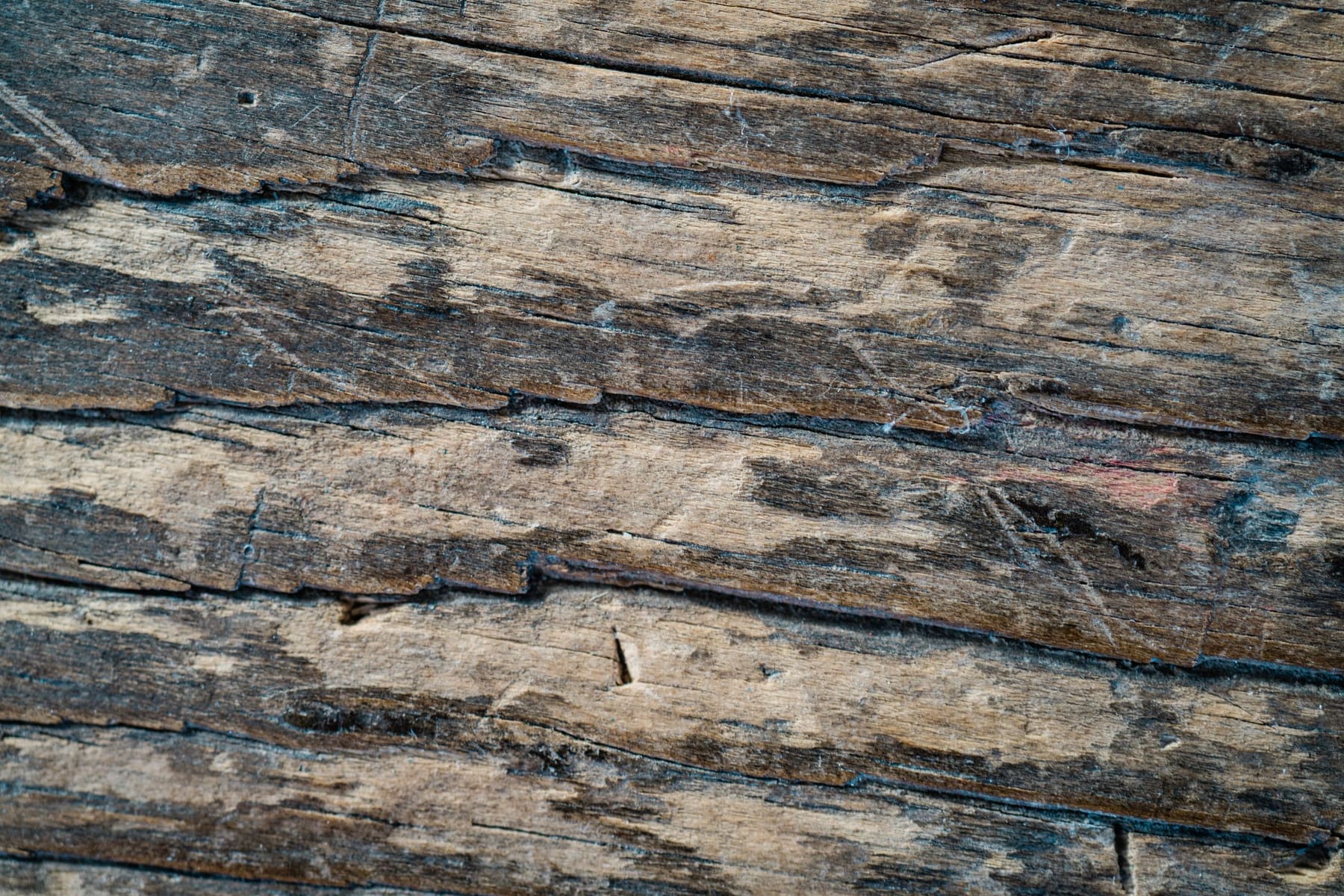
Rustic has been used to sell a lot of furniture that was manufactured smooth and then deliberately damaged. That is not what we do, and the difference is visible if you know what to look for.
The marks came first
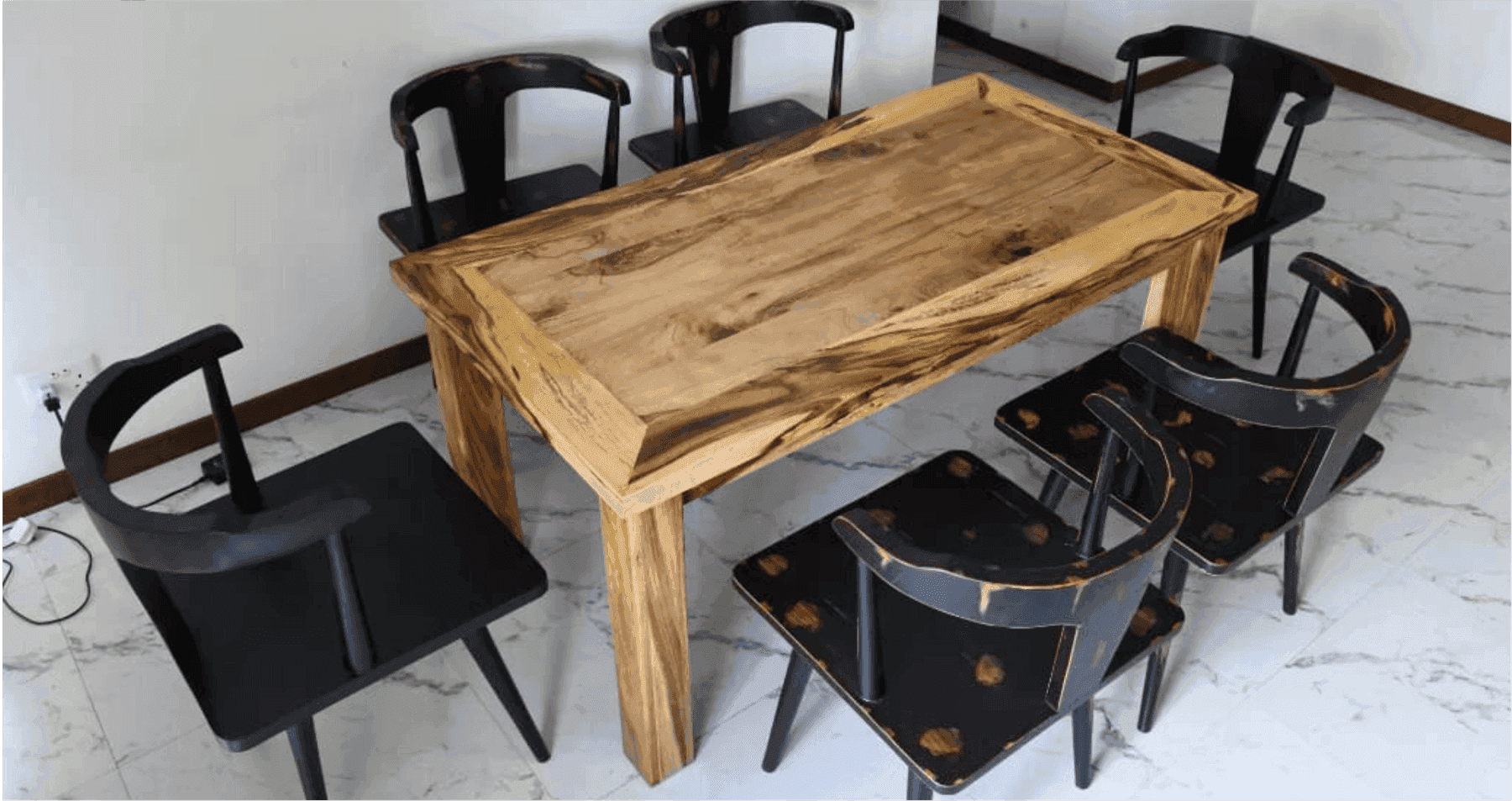
When we work with reclaimed timber, the nail holes, the saw kerfs, the old paint in the grain and the softened edges are already there. They are the record of what the wood was before it was furniture, a door, a boat, a crate, a beam. Our job is to decide what to keep, not what to add.
Finished, not polished
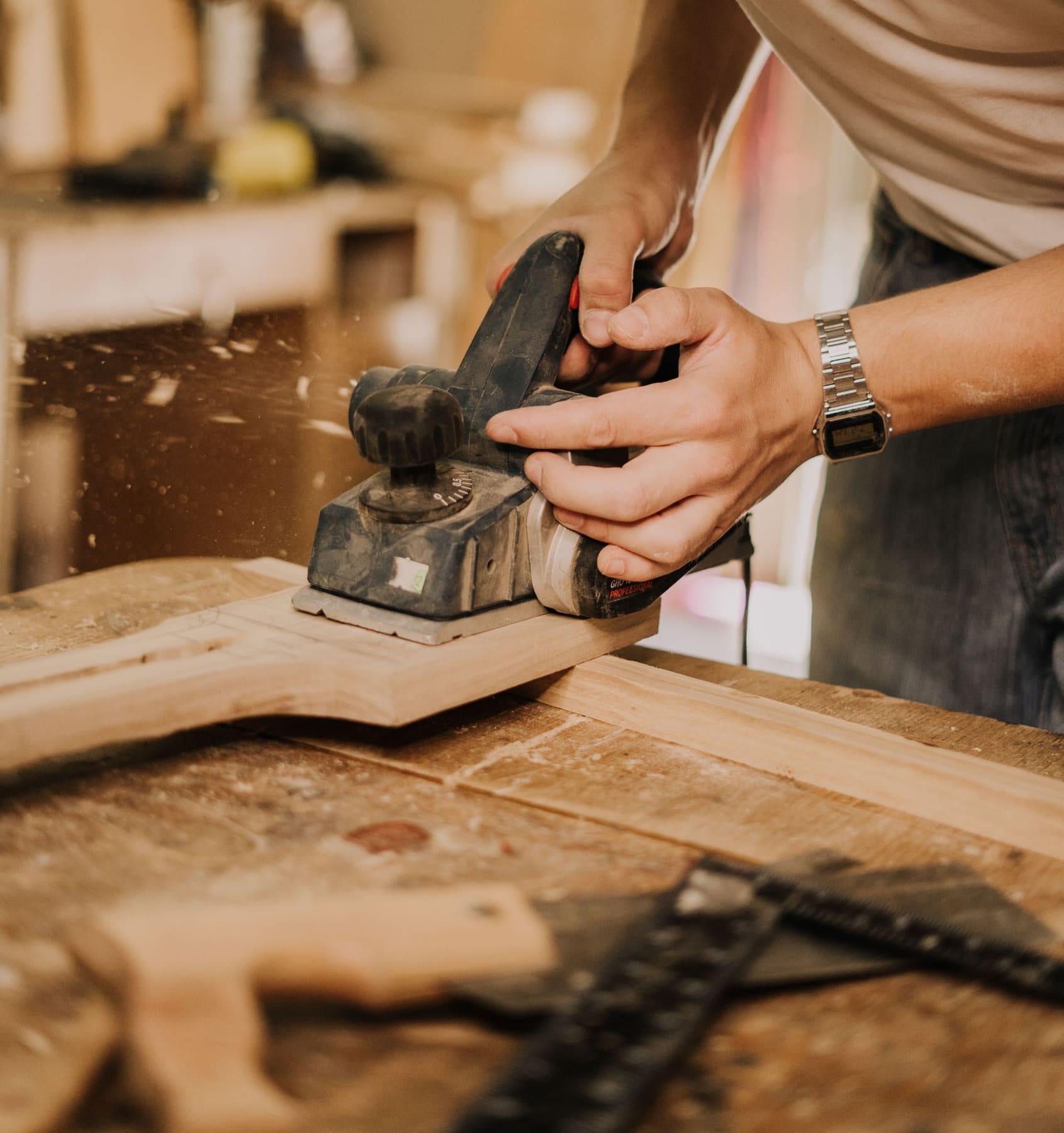
We sand to the point where a surface is pleasant to touch and stop there. Taking it further would remove exactly the evidence people come to us for. The same goes for our joinery: where a joint is doing visible structural work, we leave it visible.
Colour that has a history
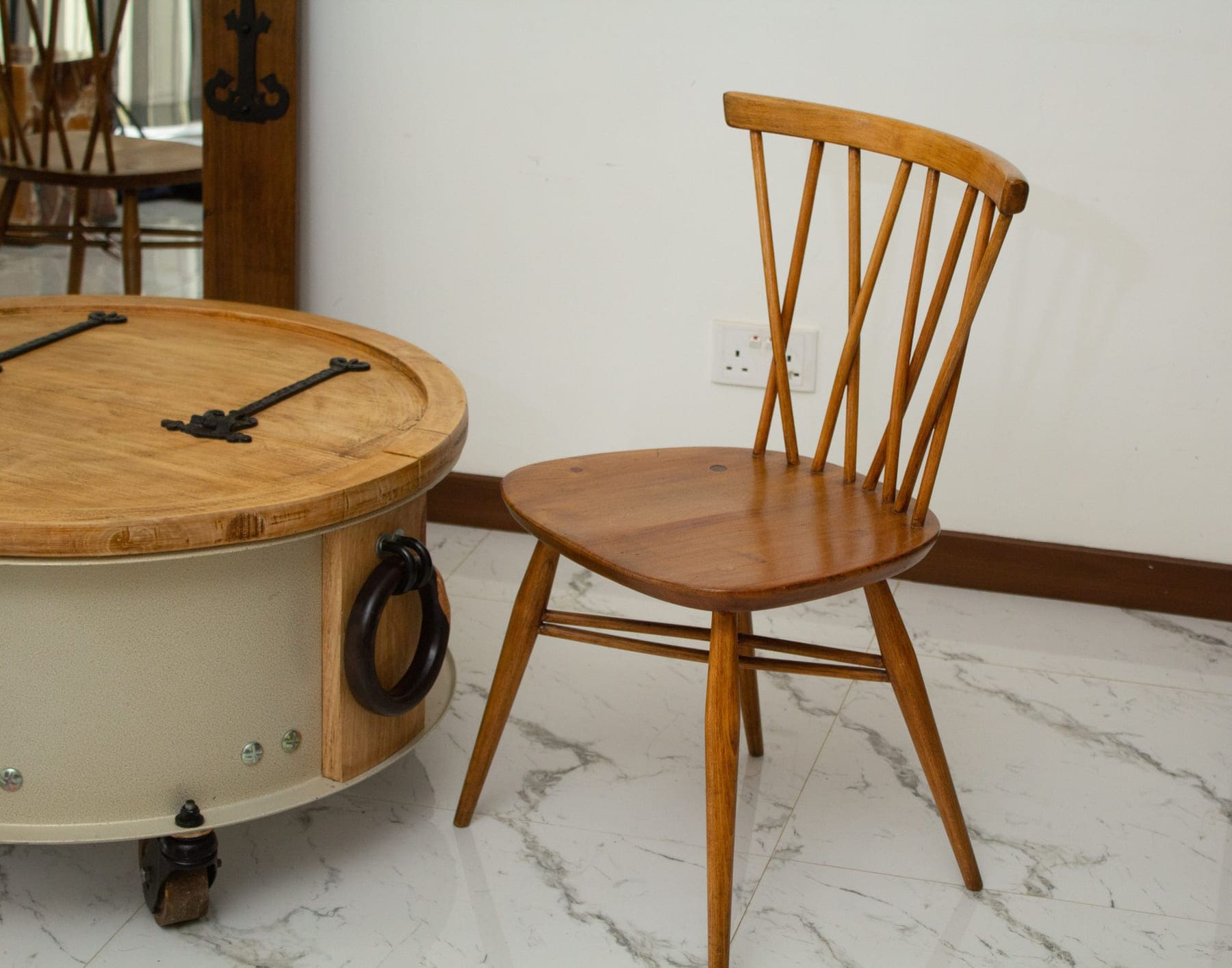
The multi-coloured sideboards and bar counters we're known for get their palette from the timber's previous life, not from a paint chart. It's why no two are identical, and why we photograph every one individually rather than shooting one and reusing the image.
The honest consequence
It also means the piece that arrives will differ slightly from the piece in the photograph, a knot in a different place, a shade of blue that's a little deeper. We think that's the point. If you need two pieces to match each other exactly, tell us before we start and we'll cut them from the same stock.
Still deciding? Send us your measurements.
We check pieces against real rooms most days, and it takes about ten minutes.
Ask us on WhatsApp